Firstfruit of the Resurrection
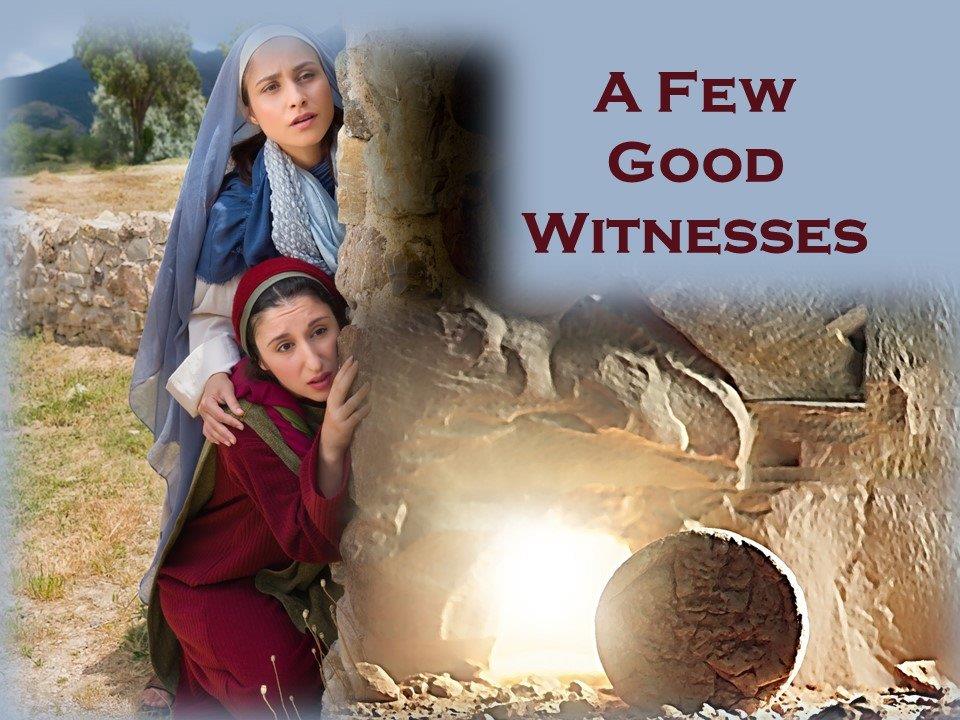
The account given points to some exceptional individuals who were armed with such faith and boldly showed it throughout the ordeal of the crucifixion and the resurrection…
Of the many women that were there, only three are named. That is in keeping with the requirement of the law which says that …on the evidence of two or three witnesses a matter shall be confirmed. Deut. 19:15b…
What makes these signs so significant is that they are not only recorded in the Bible, but also in secular history books…
But what is the message and the significance of this sudden darkness? What did it mean to the people then? This darkness brings us from the first Passover and then to its final fulfillment…
In the story of Peter’s repentance, the rooster plays a very significant role. Why use the rooster?…
Today they have created machines which can process this overload of information, but they are so powerful that the scientific world has started to worry about its strength and about how it could, as they say, take over our world…
“Some began to spit at Him, and to blindfold Him, and to beat Him with their fists, and to say to Him, “Prophesy!”” (…) by covering the face of the Messiah, they showed their disdain and contempt toward Him, but see that, unknowingly, they were fulfilling another prophecy found in Isaiah 53:2-3…
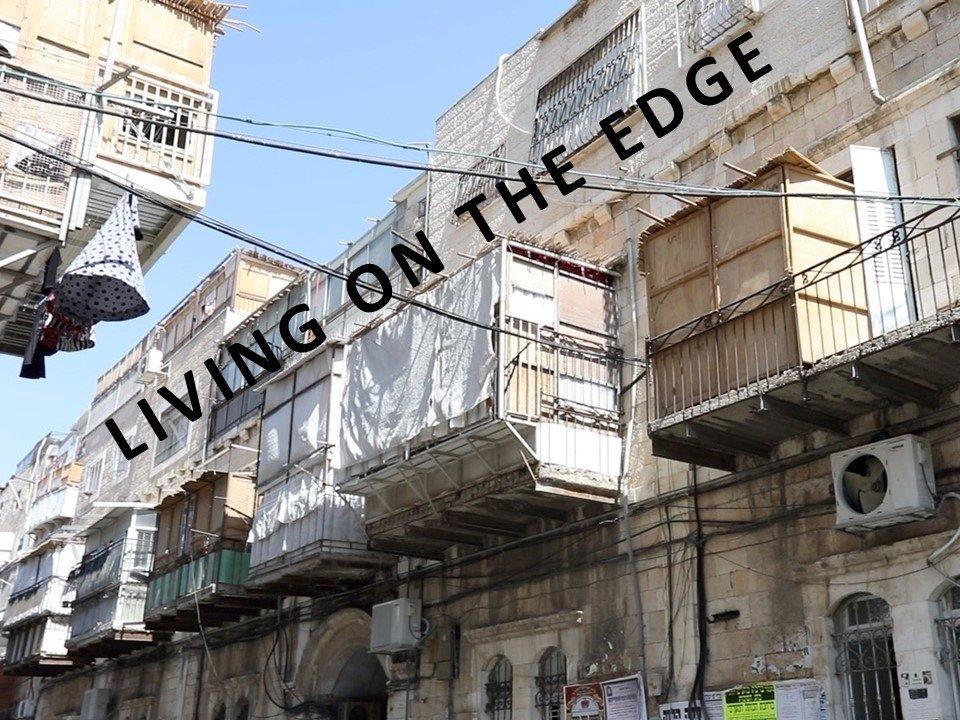
The word Sukkah itself, is from the word suk סׄךְ; it means to protect, to cover, to defend and the sukkah itself speaks of a pavilion of protection…
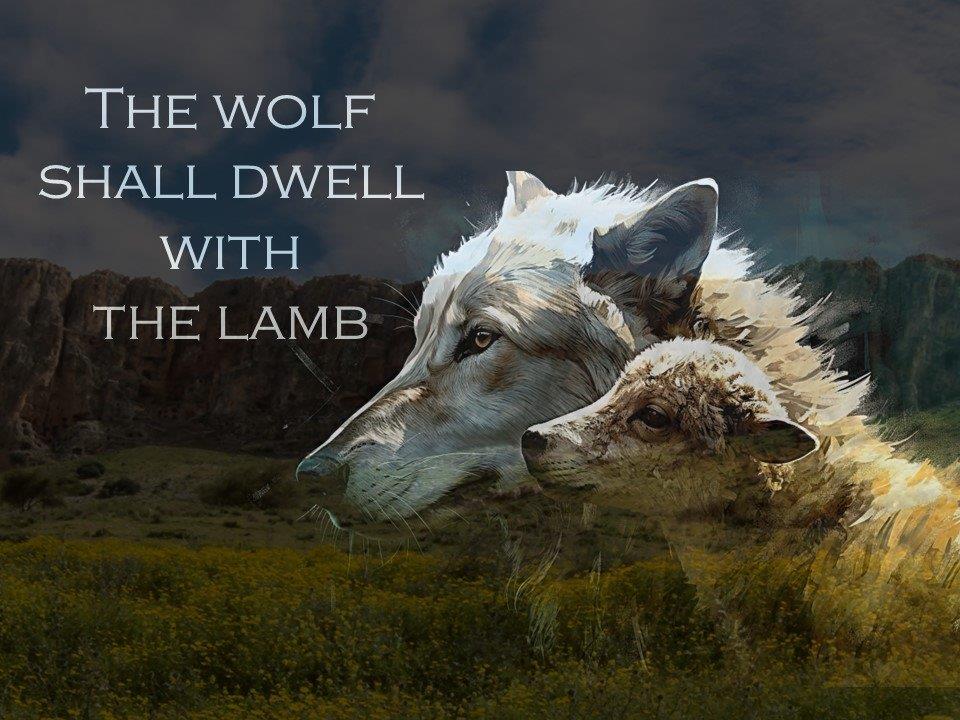
Sukkot is the last and 7th fall feast of Israel mentioned in the Torah… It is from this word where we get the word Sabbath. These connections point to Succoth as the Feast of Rest, speaking deep into our souls and projecting us forward to a time and to a place we are all longing for. This time and place is when man will live in harmony with his neighbor and with nature…
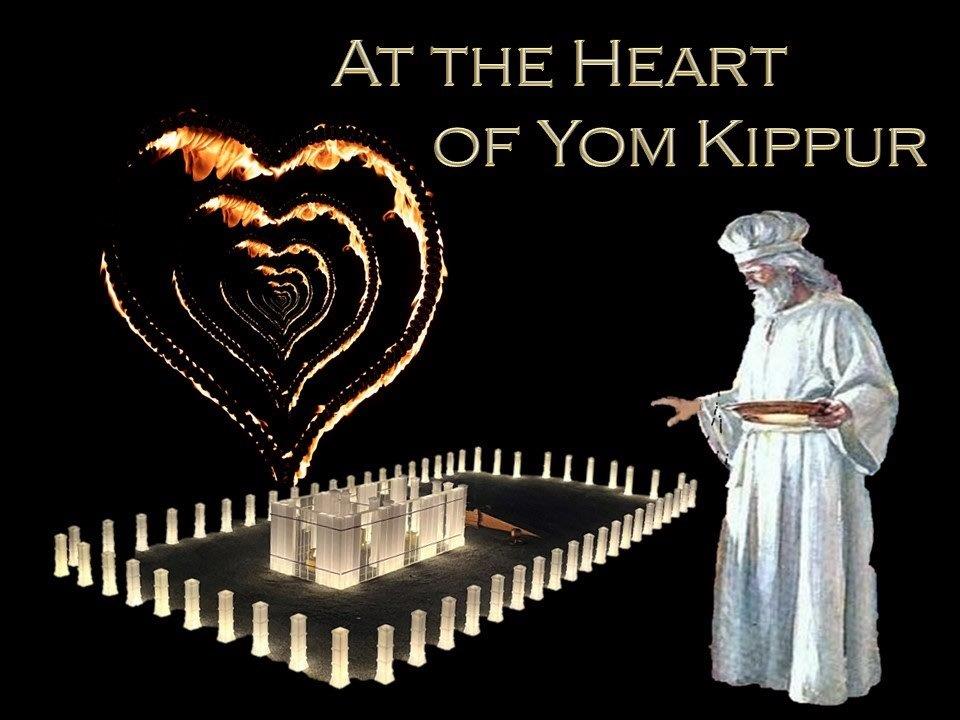
But what is most intriguing, is that back in Leviticus 10 when the death of these two priests is detailed, no one could pin-point the reason why these two were suddenly killed. What was this strange fire they had offered to the Lord? One can count some 12 different rabbinical explanations on what might have happened there…
… were the Israelites supposed to blow the trumpet? For what occasion exactly?… Medieval rabbis have posed this same question. Ibn Ezra, spoke of religious mysteries, Rabbi Abarbanel, a 15th century rabbi and bible commentator asked, Why does the Torah not explain the purpose for this festival? It is indeed an enigma of a feast… Let us consider this mystery…
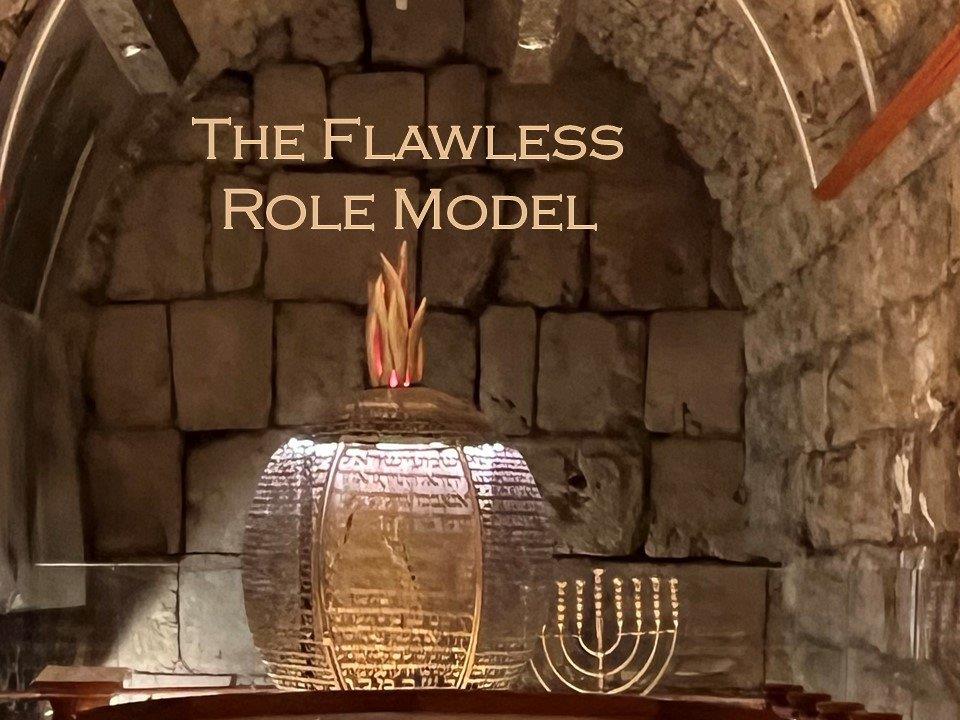
While the confession is not laid out, it encompasses everything we have seen before: that the divine Messiah took on flesh in order to atone for our sins. And through His resurrection and ascension, He has become our heavenly High Priest.
In this account, we see Judas Iscariot who is very engaged and seems so eager to have Yeshua arrested. His presence here was needed because the Romans required a formal accusation before arresting anyone…
We are now in the month of Elul…
Let us now follow the chronology and concentrate on the next event, the arrest of the Messiah. Here, the situation becomes so messy, that Jesus had to again intervene to make sure He would be crucified at the right time and place. The fulfillment of this prophecy was laid entirely in His hands…
…The unfortunate thing is that many translators, wanting to emphasize the severity of these upcoming events, used words that depict Yeshua as being so affected by the circumstances, as if to lose control over them, as if He was reconsidering the cross.We are going to investigate how these words were translated but let me begin by assuring you that Yeshua was in complete control of absolutely every event from the Garden to the Tav (cross) and onto His resurrection….
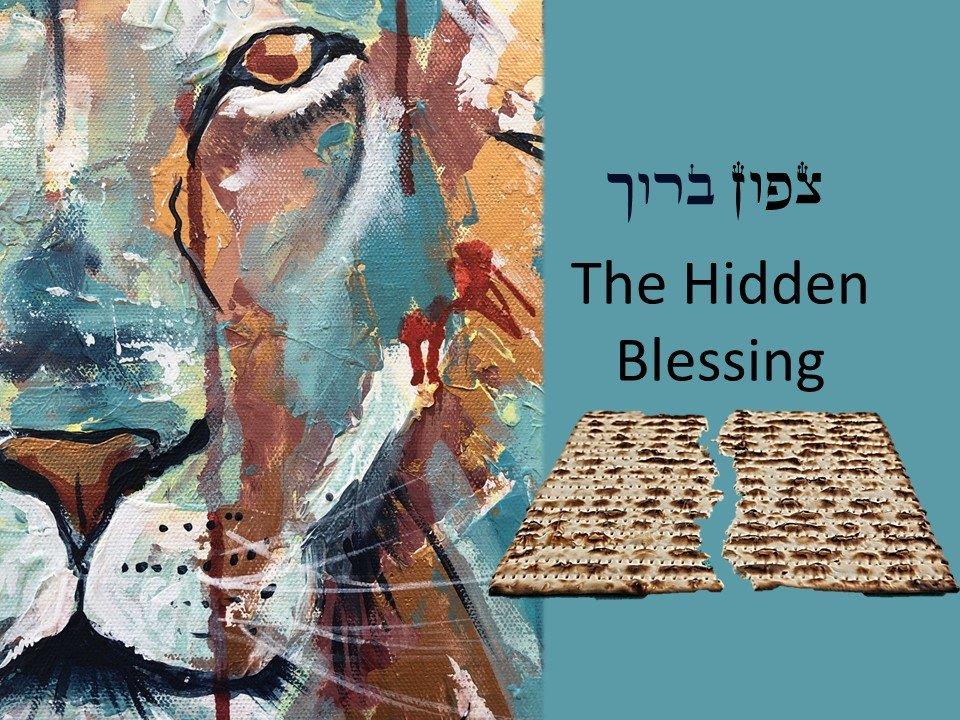
The Jewish ceremony connected to the breaking of bread, is the one called the afikomen. It is from the afikomen where Yeshua took this bread, and said, “Take it; this is My body.” Vs.23. What is the ceremony of the afikomen? Let us briefly look at it…
John places the washing of the feet of the disciples just after Mark’s account of the man carrying the water. More precisely, right after vs.17 in Mark 14 when the account of the supper began. And by placing the events chronologically, something major emerges from the text…
If Yeshua was crucified on a Friday, as the 4 Gospels and the Talmud testify to, this brings us to a Wednesday. This is where we are here at the beginning of Mark 14…
Mark 13:22 says, “But of that day or hour no one knows, not even the angels in heaven, nor the Son, but the Father alone.” And so, since the Son does not know, many concluded that He is not divine. But that is too bad for they really are missing out on a great revelation of the God of the Bible in this verse…