The Power of Three
This is all God’s doing, but it also places a lot of responsibility on us, and together they raise some important questions.

Excerpts from our Weekly Newsletter
This is all God’s doing, but it also places a lot of responsibility on us, and together they raise some important questions.
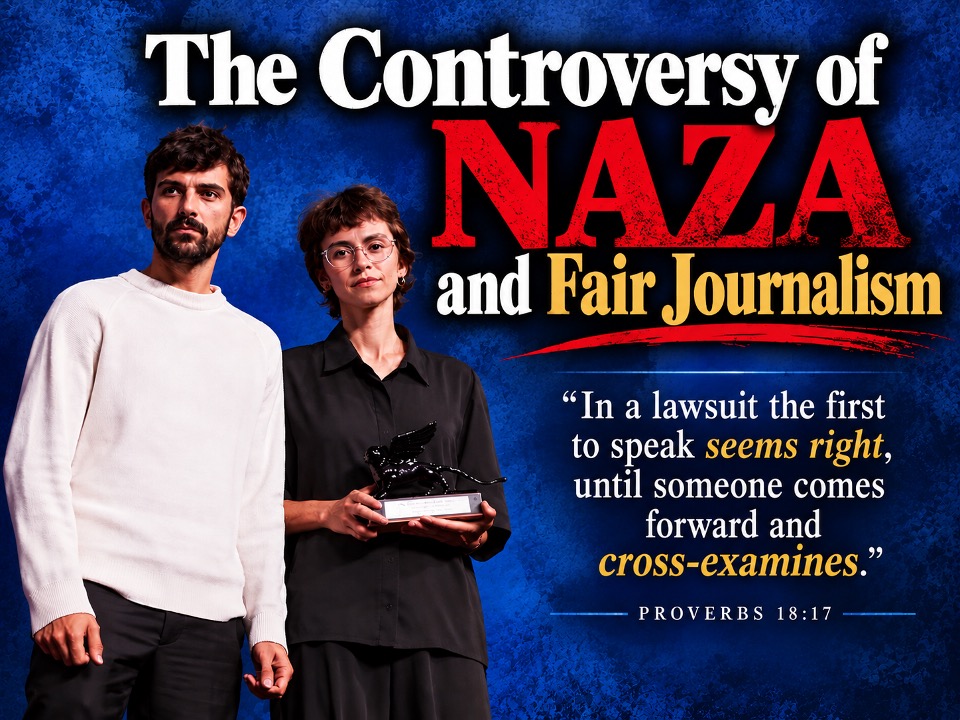
There is no question that war causes terrifying collateral damage, but we want to question professional journalism’s approach in this documentary. We look to the Word of God which gives us good advice: Proverbs 18:17 says, In a lawsuit the first to speak seems right, until someone comes forward and cross-examines.
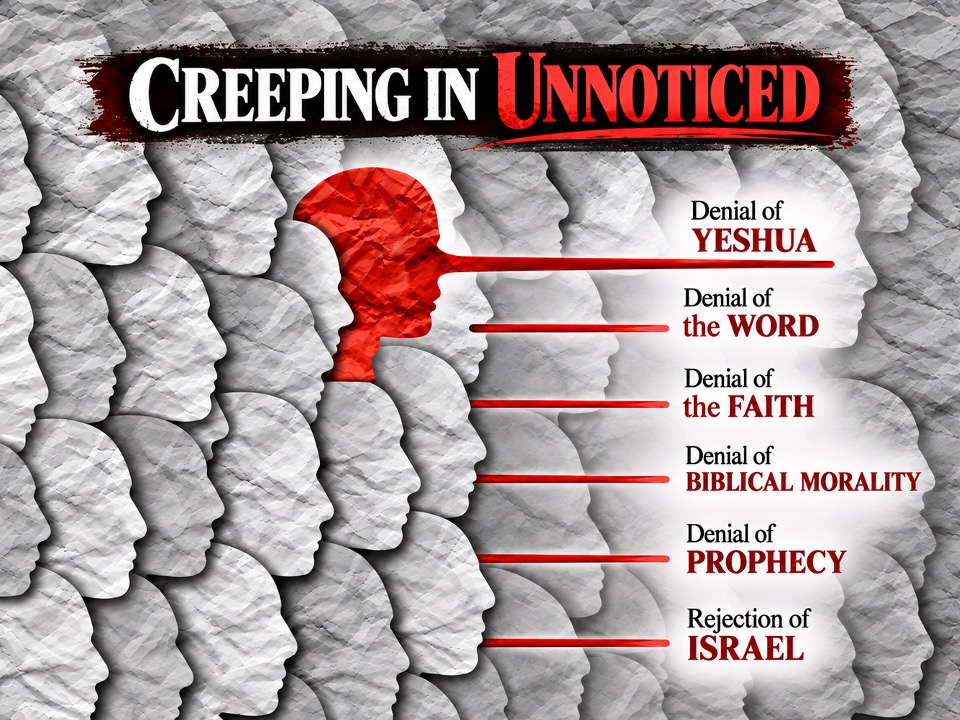
In this short letter, Jude highlights one thing: the importance and seriousness of the biblical faith in the last days. He challenges us to examine the very foundation of our beliefs.
These are words still awaiting fulfillment. Never have the nations of the world, as one, worshipped the one true Lord. Never have the nations, together, streamed toward Jerusalem to worship God.
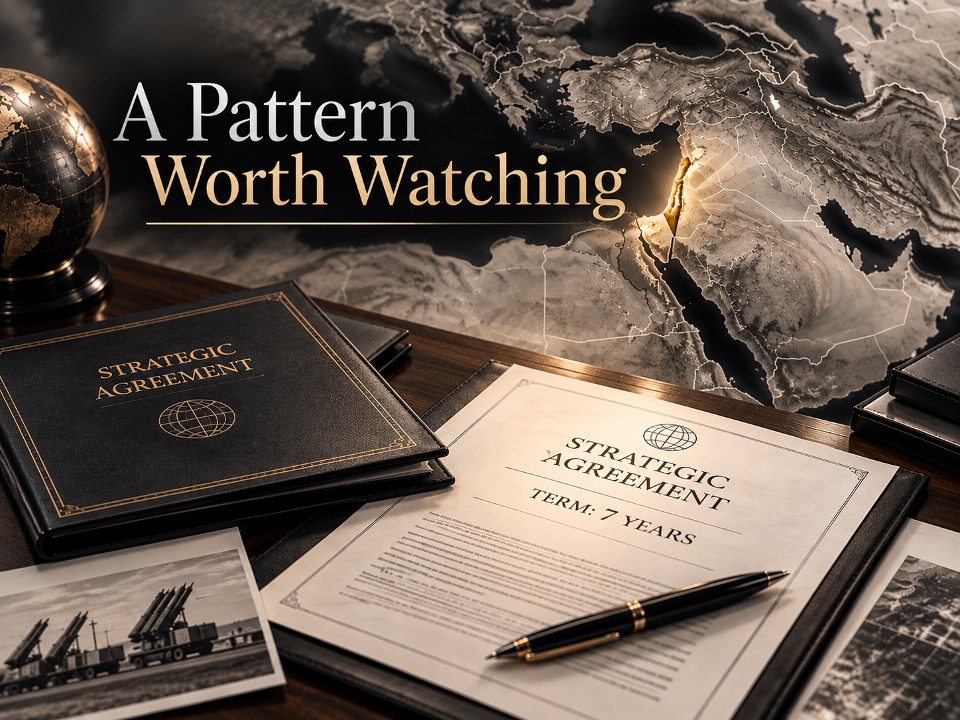
What makes this even more interesting is how seven-year agreements were used across many other social and political realms.

According to Scripture’s prophetic calendar, before the Messianic Age is established, a final seven-year period will unfold, during which the events and judgments foretold by the prophets will take place.
These are words still awaiting fulfillment. Never have the nations of the world, as one, worshipped the one true Lord. Never have the nations, together, streamed toward Jerusalem to worship God.
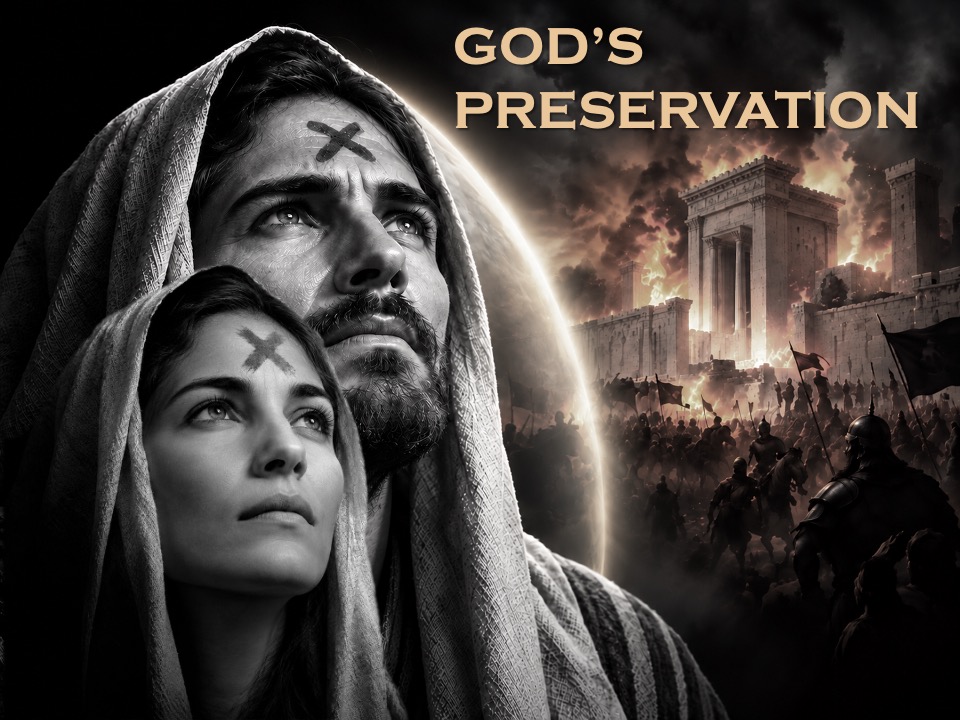
From a Messianic perspective, the imagery is striking: before judgment falls, God’s faithful remnant is identified by a tav, a mark which in its ancient form could resemble a cross.
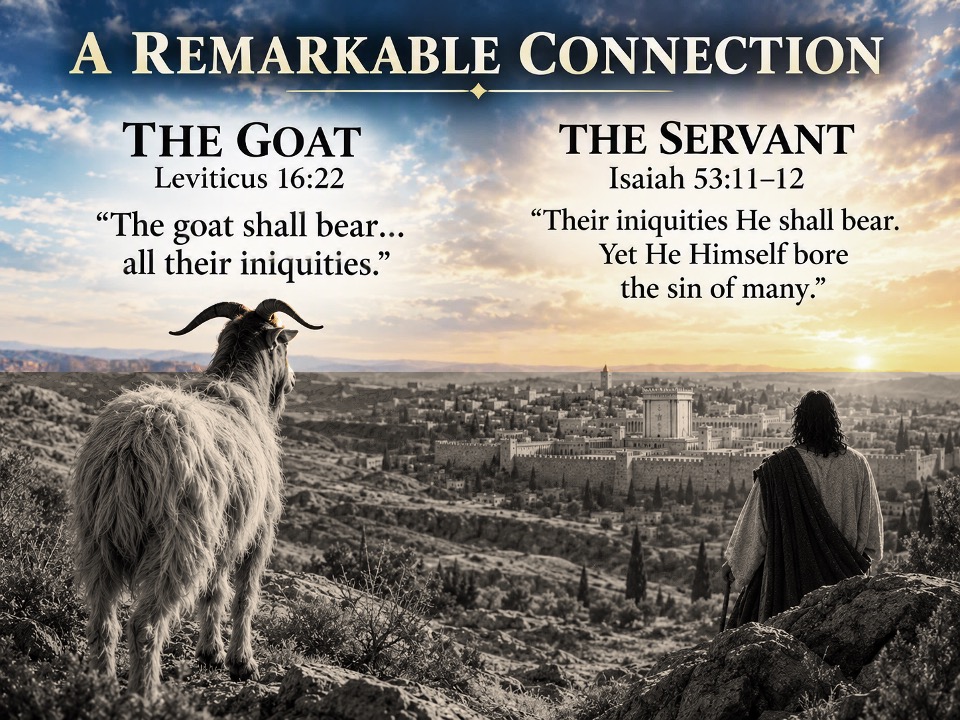
Beyond this most sacred ceremony, we find more intrigue as we investigate the chapter further. See how the text places tremendous emphasis on the Sin Offering (chatat).
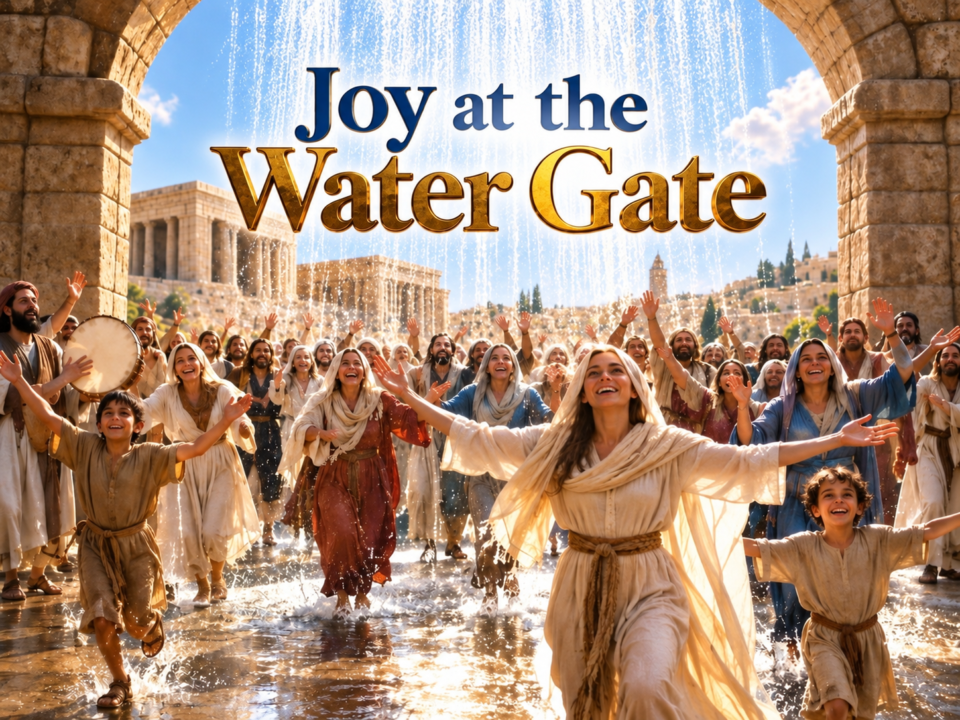
We can assume with great certainty that a shofar sounded that day, in accordance with the biblical commandment. No doubt this served as a wake-up call to repentance, prompting them to turn their eyes to God and remember their Creator.
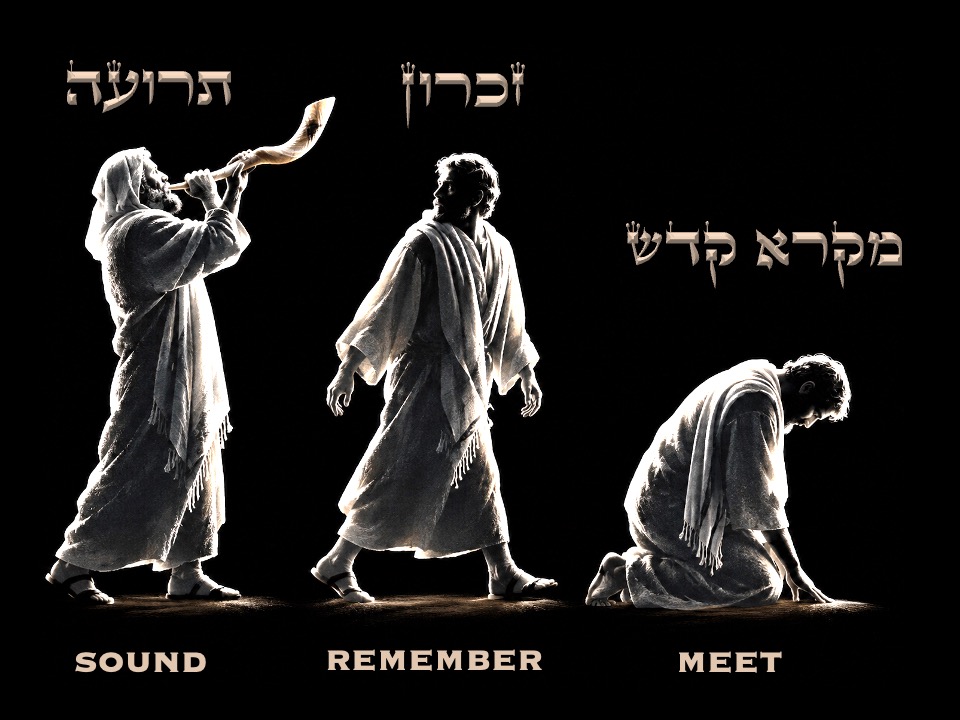
Yom Kippur points us toward the coming time of Israel’s deepest affliction and national repentance, a period the prophets describe and the New Testament identifies as the great Tribulation.
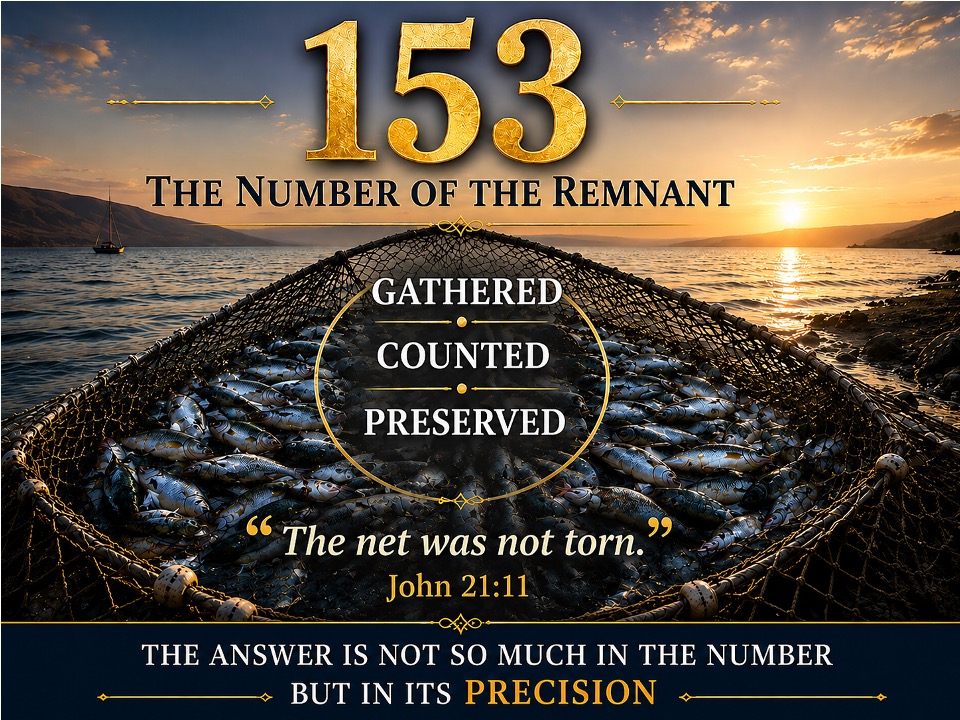
That overabundance in the net (Luke 5) can reflect the high number of supposed believers in the church during the kingdom age, something Yeshua alluded to in the parables, a number that includes the tares…
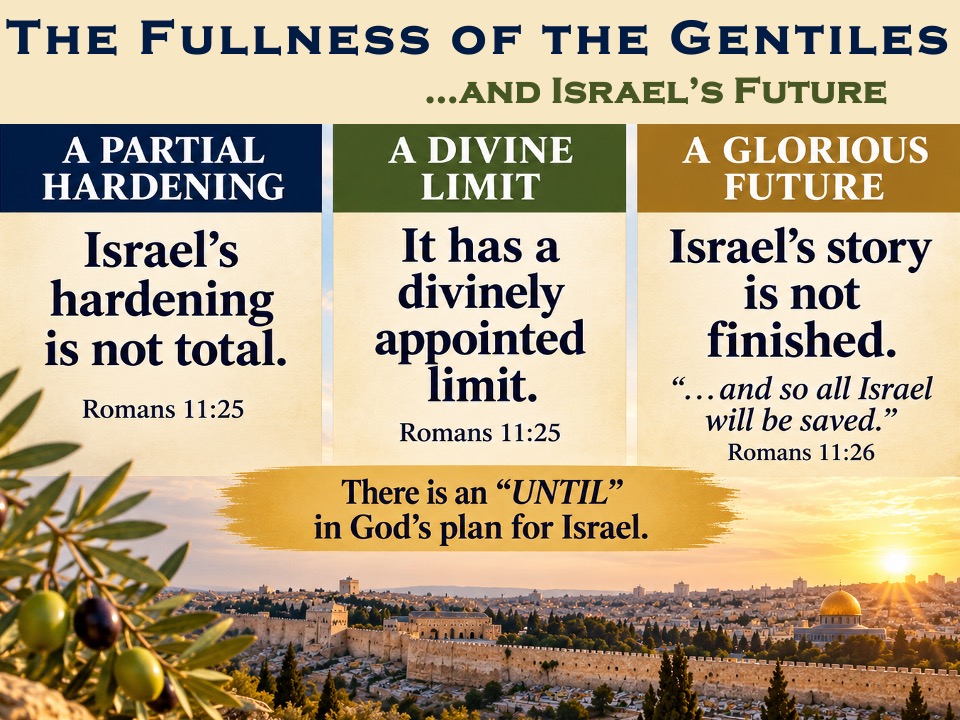
Paul introduces Israel’s future with one of the most extraordinary prophetic declarations in the entire letter: Romans 11:25–27. Here, Paul is about to reveal what he calls a mystery, something every Gentile believer needs to understand about Israel.
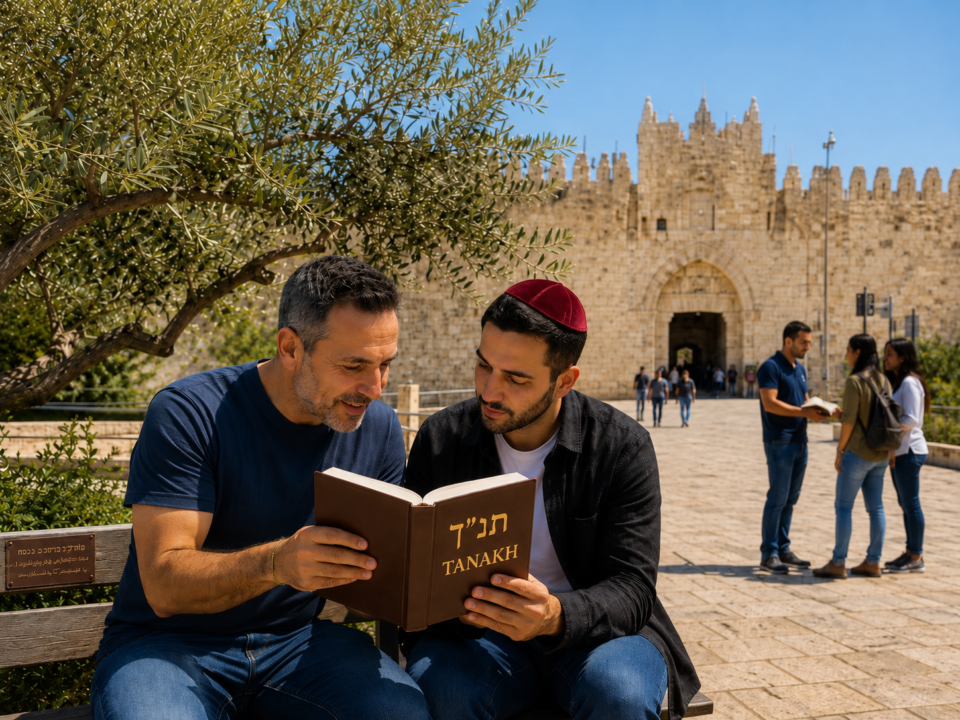
What should the Church’s attitude toward Israel be today? Listen carefully to what Paul says in Romans 11:11, “I say then, they did not stumble so as to fall, did they? May it never be! But by their transgression salvation has come to the Gentiles, to make them jealous.”
Have you noticed how, in Romans 10, he places so much emphasis on evangelism? He opens up with these words: “Brethren, my heart’s desire and my prayer to God for them is for their Salvation.”
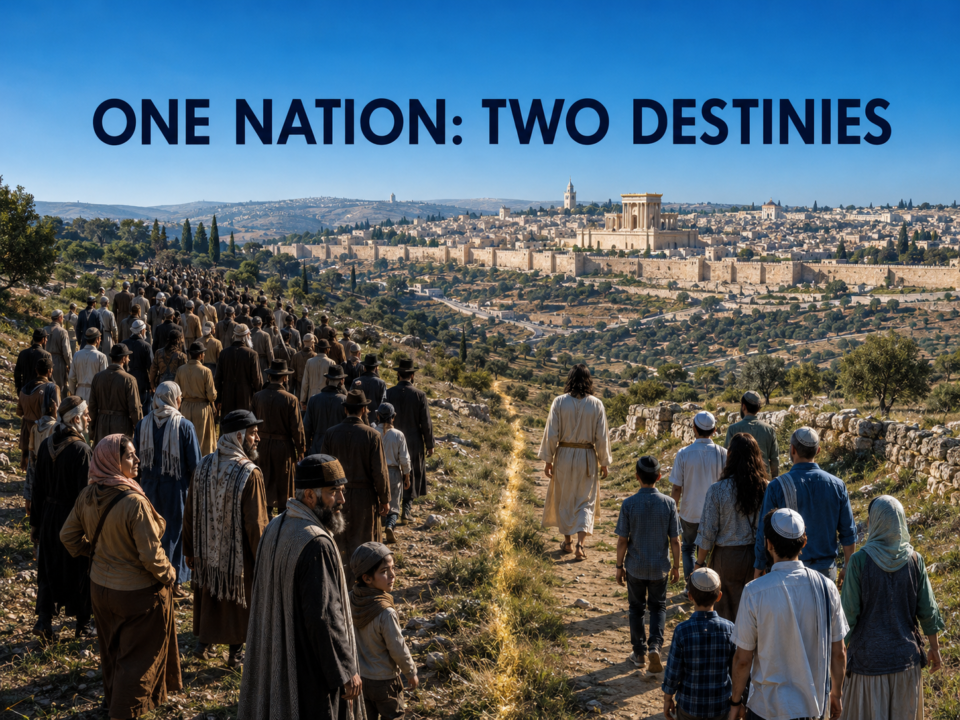
What follows, beginning with Romans 9:25, is a beautiful narrative of Israel through prophecy.
From this point on, Paul cites seven quotations from two prophets, Hosea and Isaiah, which he cleverly weaves together to emphasize his point.
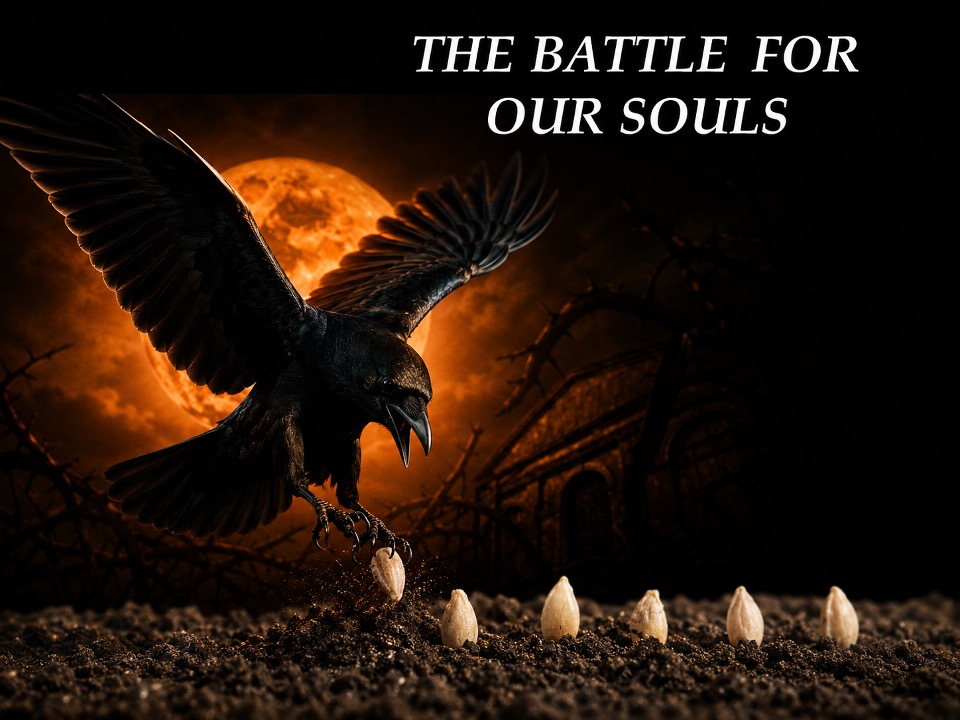
Among these prophetic parables, one stands above the rest. It is the Parable of the Sower. Why does this parable stand above the rest? Because Jesus Himself set it apart from the others.
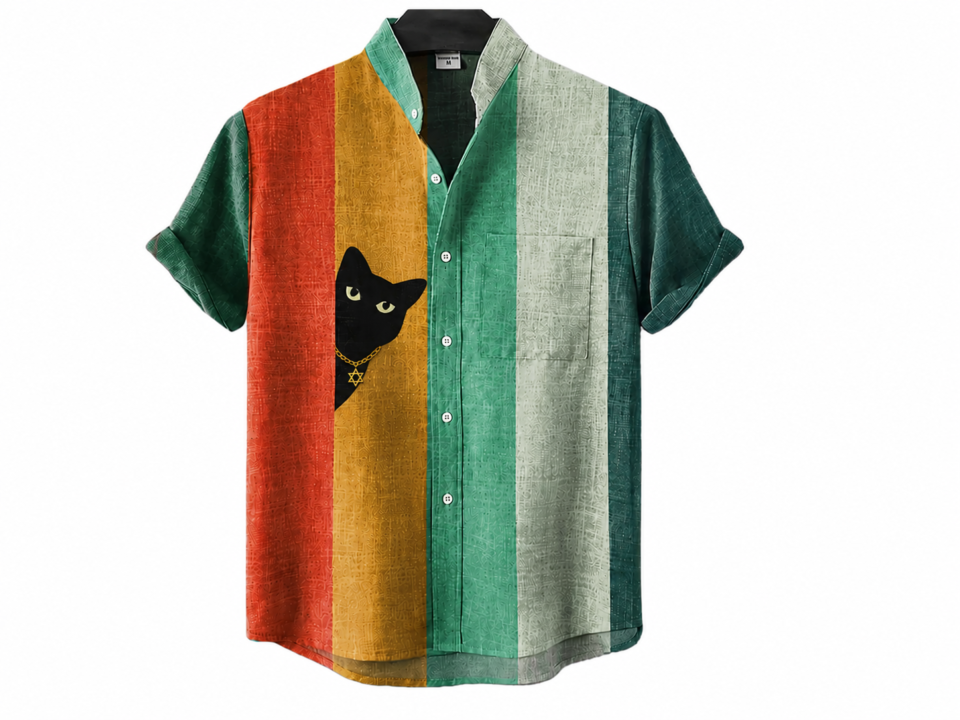
Over the centuries, we have seen dynamic changes in our wardrobe. In the 1920s, hemlines rose to the knee and dresses took on a loose…
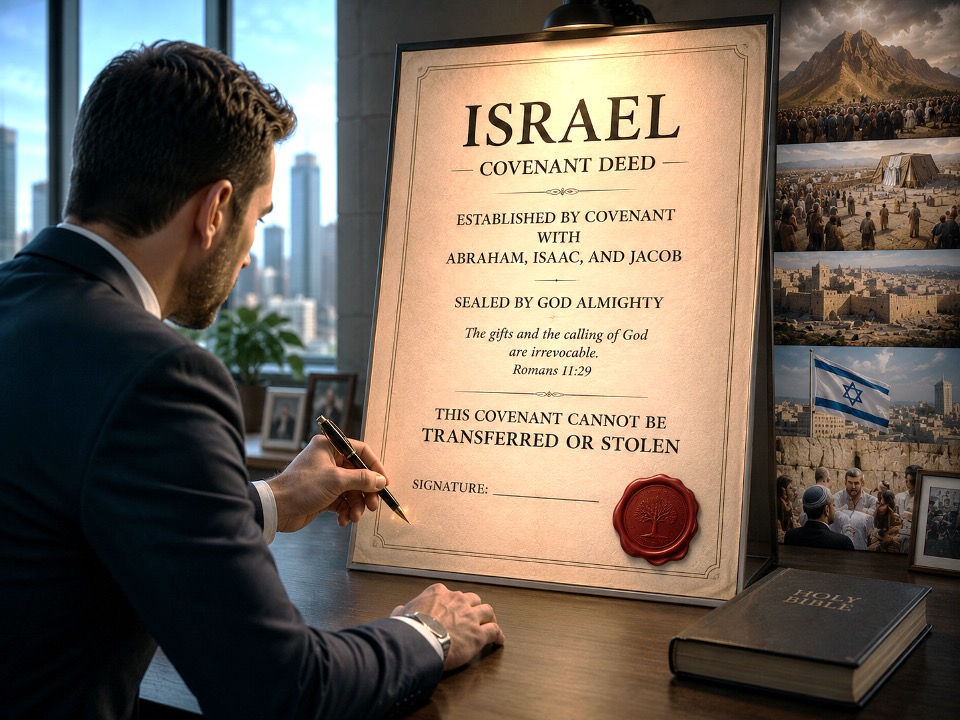
In Romans 9:6, Paul makes one of the most misunderstood statements in the entire New Testament, a statement that has fueled antisemitism for the past 2000 years and continues to do so today.

And perhaps the greatest lesson of the Armor of God is this: The armor is not merely something the Messiah gives us. The armor is the Messiah Himself.