
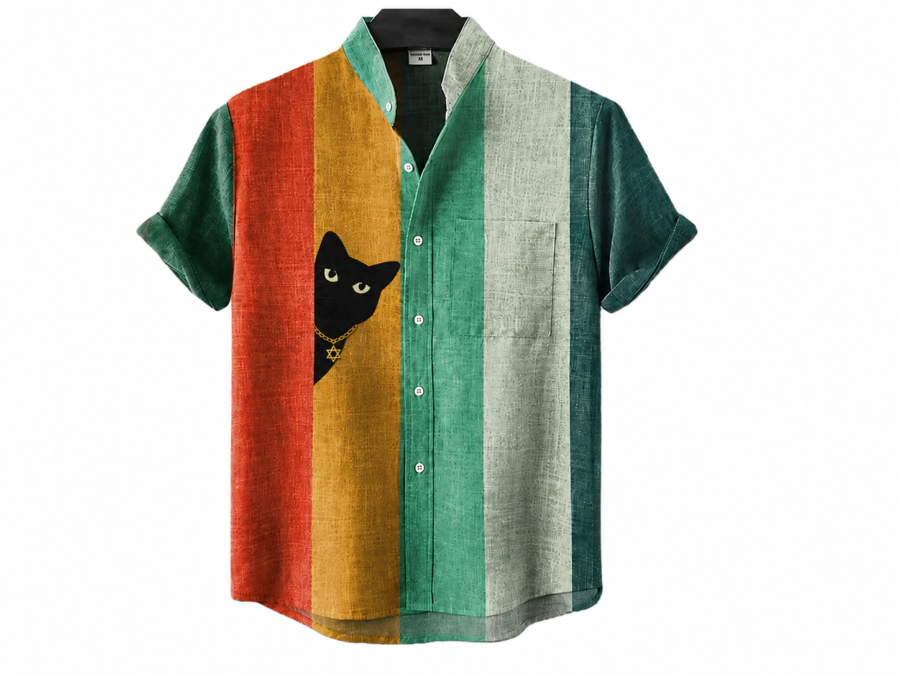
 Over the centuries, we have seen dynamic changes in our wardrobe. In the 1920s, hemlines rose to the knee and dresses took on a loose look compared to the Victorian corsets that were previously very common.
In the 1940s, we saw women being given the green light to wear pants as acceptable everyday wear. In the 1960s, the miniskirt became highly popular, while the 1970s brought endearing bell-bottoms with platform shoes to match.
In the 1990s, we saw bell-bottom jeans evolve into ripped, tattered ones. The 2000s brought very low-waisted jeans, rhinestone pockets, and shredded hems.
While fashion history and the pursuit of individual expression through attire are one thing to contend with, there has now been a visible shift in the Jewish wardrobe. Amid a surge in antisemitism, groups like the AJC (American Jewish Committee) report that a vast majority of Jewish people have removed from their wardrobes items that identify them as Jewish, such as the kippah and many religious symbols worn as jewelry (the Star of David, for example). This type of outward adornment and items that expressly identify one’s ethnicity, culture, and faith are being removed because these very things have become targets of harassment and even physical assault.
The Guardian reports that in several countries, including Germany, Jews have been warned not to wear these items, which would create a heightened security risk. This involuntary shift in wardrobe choices has nevertheless led to a newfound formula. Many Orthodox individuals will wear their kippah under a baseball cap, and both jewelry and tzitzit (fringes at the hem of an undergarment) will be tucked in and kept out of view.
There is tremendous irony here, yet the same message unfolds. In clothing, we see two extremes of antisemitism. In the first case, eighty years ago during World War II—when women were rightfully permitted to wear trousers and express themselves in their clothing—Jewish people were legally forced to reveal who they were by wearing the yellow star with the word “Jude.” They were forced to become visible Jews, and noncompliance could result in death. Today, an undertow forces many into Jewish invisibility. In one case, you were demanded to show your identity, which no doubt led to mockery, persecution, and eventual death for many. In the other case, today, people face the same dread and fear as they need to hide who they are. These are two extremes, both caused by flourishing antisemitism, and both cases degrade the Jewish people.
What can we do?
Stand with the Jewish nation and show your support. Various Jewish organizations offer guidance on how you can be an ally at this time. These include the following: if you witness someone being harassed for wearing a kippah or other symbols of Judaism, don’t just be a passive bystander. Instead, consider a safe way to support the victim and help undermine the threat.
When standing around the water cooler and chatting with coworkers, don’t let antisemitic jokes go unchallenged. Speak up. We are also called to flag any and all antisemitic comments or conspiracy theories on social media to help curtail the spread of hate. Reach out to your Jewish friends and tell them that you support them and their liberties. Tell them that you love the God of Israel. You may also support Jewish institutions, visit Holocaust centers, and learn about Jewish history and great Jewish contributors to our modern world. Visit cultural institutions. Shop at Jewish stores to show your solidarity. We know what is ahead according to prophecy. But even today, we should want to be judged as the sheep and not the goats, according to Matthew 25.
More on Antisemitism – Video “Can Israel Survive” and other articles